

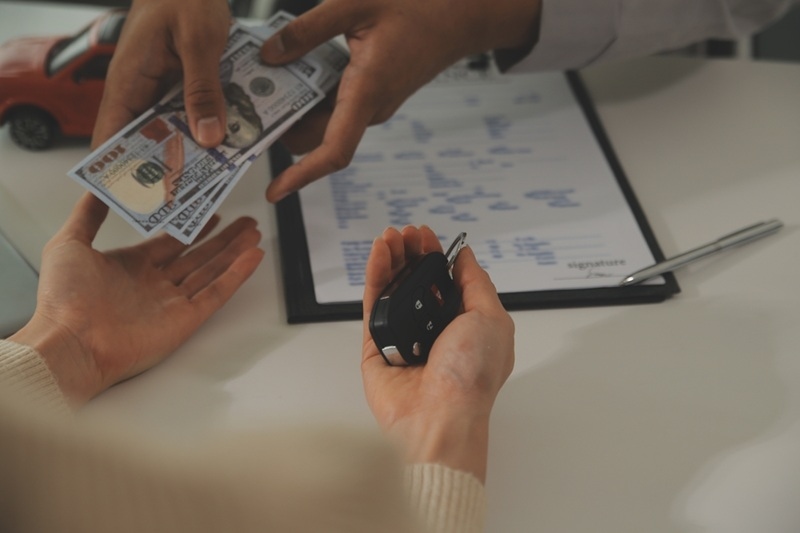
The best trade-in value means getting the strongest possible return when exchanging a car at a dealership. It is not random. It depends heavily on the preparation and timing. Sellers need to understand simple car appraisal tips, the comparison of trade-in vs private sale, and the direction of the used car market in 2026.
This blog will explain to you how to get the best trade-in value for your car in 2026.
When someone hears the phrase best trade-in value, the first thought is negotiation. But that is only one part of the picture. What happens before the negotiation often matters more. Dealerships evaluate condition, mileage, service history, and overall presentation. They look at wear and tear. They check maintenance consistency. A well-kept vehicle speaks quietly but clearly.
The best trade-in value also depends on timing. Demand changes throughout the year. Certain vehicles gain attention depending on the season and the buyer's needs. Owners who follow the used car market 2026 trends often make better decisions about when to act.
Preparation changes everything. These car appraisal tips are simple, practical, and easy to follow. They do not require special knowledge. Only attention.
Service history builds trust. A vehicle with organized records feels reliable before inspection even begins. Dealers prefer clarity. Missing records create hesitation. The discussion feels straightforward when every oil change and repair is documented. These car appraisal tips may sound basic, but they often separate average offers from stronger ones.
A clean car changes perception instantly. Washing the exterior, vacuuming the interior, and removing personal items make the vehicle feel ready. It does not need to look new. It only needs to look cared for. First impressions matter more than people admit. Even small visual improvements can support a smoother appraisal process.
Small problems should not be ignored. Replacing worn lights or fixing simple issues prevents deductions later. Dealers notice details. When a vehicle shows basic mechanical attention, it signals responsible ownership. That impression stays throughout the discussion.
Registration papers, insurance records, and identification documents should be ready before the visit. A missing document slows everything down. Clear paperwork keeps the process calm and structured. It avoids confusion and unnecessary back and forth.
Looking at similar vehicles gives perspective. It sets realistic expectations. This step connects directly with the used car market 2026 trends. When owners understand demand, they approach the appraisal with clarity instead of guesswork.
The debate around trade-in vs private sale is common. Both options work. The choice depends on priorities.
A trade-in happens during the purchase of another vehicle. It is direct, structured, and quick. Trade-in vs private sale comparisons often highlight time. A private sale requires listing, communication, meetings, and follow-ups. It offers control but demands effort.
Private selling allows the owner to manage pricing discussions independently. Some prefer that flexibility. Others find it stressful. Negotiation is part of a larger transaction with a trade-in. It feels contained within the dealership process.
Dealership transactions follow clear procedures. Documentation is formal. Private transactions require careful handling of payment and agreements. Understanding trade-in vs private sale helps sellers choose comfort over complication.
Claims history influences perception. Managing repairs carefully protects long-term value.
If a vehicle has been repaired after an accident, documentation should be complete. Transparency builds confidence. Dealers review past damage carefully. Clear records prevent doubts during inspection.
Small dents or mechanical issues should not be postponed. Delayed repairs often appear worse over time. Consistent maintenance supports the best trade-in value in the long run.
Low-quality repairs are noticeable. They create suspicion. Reliable repair services protect both performance and appearance. That consistency supports smoother negotiations later.
Understanding how to sell a car fast requires calm planning. Speed does not mean pressure. It means readiness.
Review similar listings and stay practical. Unrealistic expectations delay progress. Fair positioning increases interest quickly.
Buyers prefer transparency. Mentioning both strengths and known issues builds trust. Clear communication often shortens the decision process.
Quick replies maintain interest. Delays reduce momentum. The process of how to sell a car fast becomes smoother when communication stays active.
A car that is always clean and accessible encourages quicker decisions. Preparedness signals seriousness.
Must Read: Tips to Choose the Best New Family SUV in Pittsburgh in 2025
The used car market 2026 reflects changes in demand and buyer preferences. Awareness helps sellers act wisely.
Sellers gain an advantage when the supply decreases. As the supply increases, negotiation can become firmer. Monitoring the used car market in 2026 prevents surprises.
Condition matters more than promises. Buyers want proof of reliability. Complete service records increase comfort during review.
Online platforms influence decisions strongly. Clear images and accurate details attract attention early. Presentation online is often the first impression.
The Kelley Blue Book value offers a structured estimate. It helps set expectations before negotiation begins.
The mileage of the car, along with its model and condition, must be correct. Accurate input produces a realistic Kelley Blue Book value estimate.
Different condition levels show different ranges. Reviewing each category encourages honest evaluation.
The Kelley Blue Book value guides discussion. Final offers depend on inspection and market demand.
Securing the best trade-in value in 2026 requires preparation, market awareness, and realistic expectations. A clean record of the car and timely services can make a difference. Sellers who stay organized and informed approach negotiations with confidence and reduce unnecessary stress.
The condition of the car and its service history are the two most essential factors that impact the best trade-in value.
Trade-ins are usually faster, while private sales offer more direct control.
They reduce deductions and improve presentation during inspection.
This content was created by AI