

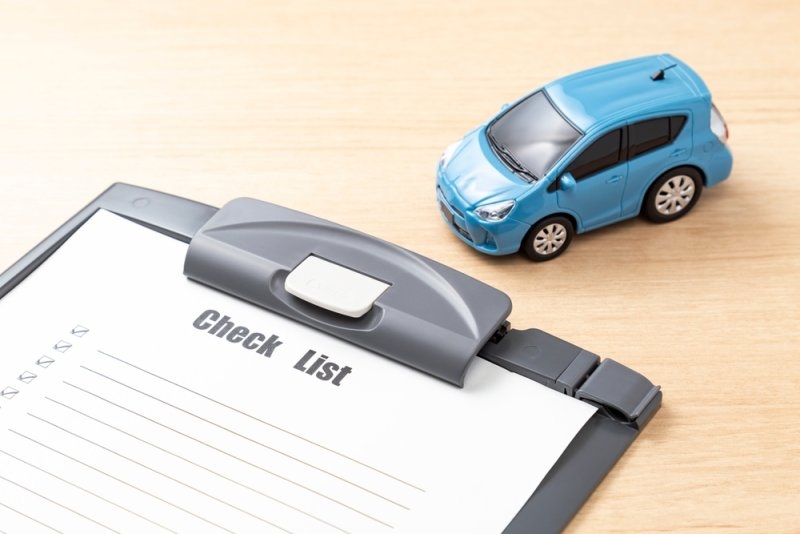
Purchasing a car is a serious financial commitment, but all the excitement that comes with selecting a particular model may cloud your judgment. It is always advisable to have a good car-buying checklist when making such a decision so that the process becomes well-structured.
When buying your first car, start from your needs rather than any specific brand or model. Think about the number of passengers you usually transport, your daily miles, where you park, your fuel needs, cargo capacity, and features you need.
Then find out what amount you can afford. Not only the cost of the car itself should be considered in your budget but also insurance, registration, taxes, fuel, maintenance, and possible repairs. In case of financing, consider the interest rate, period of the loan, the down payment you are able to make, and the overall amount that you have to pay.
Before going to the dealership, investigate different models. Consider their safety, fuel efficiency, reliability, warranties, interior, and other expenses connected with them. Getting preapproval on financing may also be useful for you.
At last, think about what kind of car will suit you best - new, used, or certified pre-owned.
In the case of a new car, inspect its exterior for scratches, dents, paint flaws, broken glass, and any other signs of wear and tear. Inspect the tires, lights, interior components, and dashboard as well. Ensure that the car meets the specifications listed in the ad, and verify the VIN number.
In the case of a used car, inspect its body panels, tires, brakes, lights, fluid levels, upholstery, and any other electronic components. Check under the car for any evidence of leaks or damage. Also ensure you inspect the vehicle’s history report for accidents, title problems, and other discrepancies.
A pre-purchase inspection is highly recommended in case of a used car. The independent mechanic might discover any hidden defects that an average person won’t be able to detect.
The process of making a smart choice should begin before even going to the car dealership. By breaking it into steps, the process of comparison becomes easier to do objectively, without being influenced by the salespeople.
Begin by determining what you can really afford and not what you would need to pay for the car on the loan. It might consist of many different aspects, including the down payment, loan payments per month, insurance, registration, gas, repairs, maintenance, and taxes.
In case you are considering a loan, remember to take into account annual percentage rates, loan terms, and total costs in addition to the monthly cost.
Consider your actual needs for a particular type of vehicle. Consider such factors as your commuting needs, number of passengers, availability of parking space, highway travel, cargo needs, fuel economy, and all other aspects.
By preparing the list in advance, you can prevent yourself from buying something that looks beautiful and is impractical at the same time.
Employ a guide on purchasing a car for comparing safety ratings, reliability, fuel efficiency, warranty, standard features, and total ownership cost. Choose several models as opposed to locking yourself down on one particular model right away.
Also, make sure you check prices for comparable trims. A lower base price is not always the better deal if critical features are available only as expensive options.
Once you get clear about your budget and requirements, it’s time to pare down your options. That’s where your research will help you save time and money.
When a car is new, it comes equipped with all the latest features, a full warranty, and no prior ownership record. Nevertheless, there is a huge drop in its value in the first few years.
On the other hand, while a used car may cost less initially, the importance of knowing its past ownership, mileage, maintenance history, accidents, and warranty cannot be overlooked. Therefore, your used car buyer’s checklist should cover a lot more details than the one you would prepare for a new car.
Must Read: New vs Used Car Guide: Which Choice Saves You More Money?
Two similar cars may prove to be drastically different when it comes to the cost of ownership. Make sure you find out insurance, fuel, regular maintenance, tires, warranty, and other costs involved in owning a particular car model.
Asking the right questions can reveal hidden costs or circumstances not apparent from the advertised price. Consider asking the following:
Always ask for a written explanation of the deal. Sometimes a low monthly payment is possible due to increased borrowing.
Certain useful car-buying tips should be considered. It is recommended to consider all factors such as the price of the vehicle, financing, trade-in, and optional products separately in the offer comparison. In this way, it will be easier to calculate the real cost of the purchase.
Do research on market prices and determine the maximum amount you are ready to spend in negotiations. Do not allow yourself to be forced into accepting an offer just because the salesman claims it to be temporary or exclusive.
Take an actual test drive and pay attention to such aspects as visibility, sitting position, comfort, acceleration, braking, noises, and practicality of the car in everyday use.
Finally, read the whole contract carefully before signing. Make sure about the purchase price, interest rate, term of loan, down payment, trade-in, fees, and optional products.
Knowing what to take when purchasing a car will ensure that there are no last-minute inconveniences. You will be required to take some of the following items, which can vary according to your dealer and the financier:
Buying a car wisely begins before even entering the dealership. Use this list when buying a car as a means of comparing the cars, inspecting the car, knowing the cost, and looking at all documents before signing. Doing things carefully can save you from unpleasant surprises and choosing the wrong car.
An effective checklist would include issues like budget, financing, researching the car, inspection, test driving, vehicle history report, insurance, cost of purchase, warranty, documentation, and final agreement. In the case of used cars, an independent inspection and check of maintenance records must be included.
Common documents include a valid driver's license, insurance document, income document when purchasing on finance, and details for payment. The dealer/lender might ask for proof of residence. In case of a trade-in, you need its title/registration.
Comparing cars with similar trims, mileage, condition, and features at various dealerships or listings will help. Look at the entire out-of-pocket price rather than just the advertised or monthly price.
Absolutely, an independent mechanic can detect various problems with the car, such as its mechanical, electrical, braking, tires, and body. In this way, you will avoid unforeseen expenses for repairs.
Not alone. You should compare the cost of the car, the initial payment, interest rate, loan period, additional fees, and total interest. Sometimes a small monthly payment means a high loan amount or repayment period.
This content was created by AI